
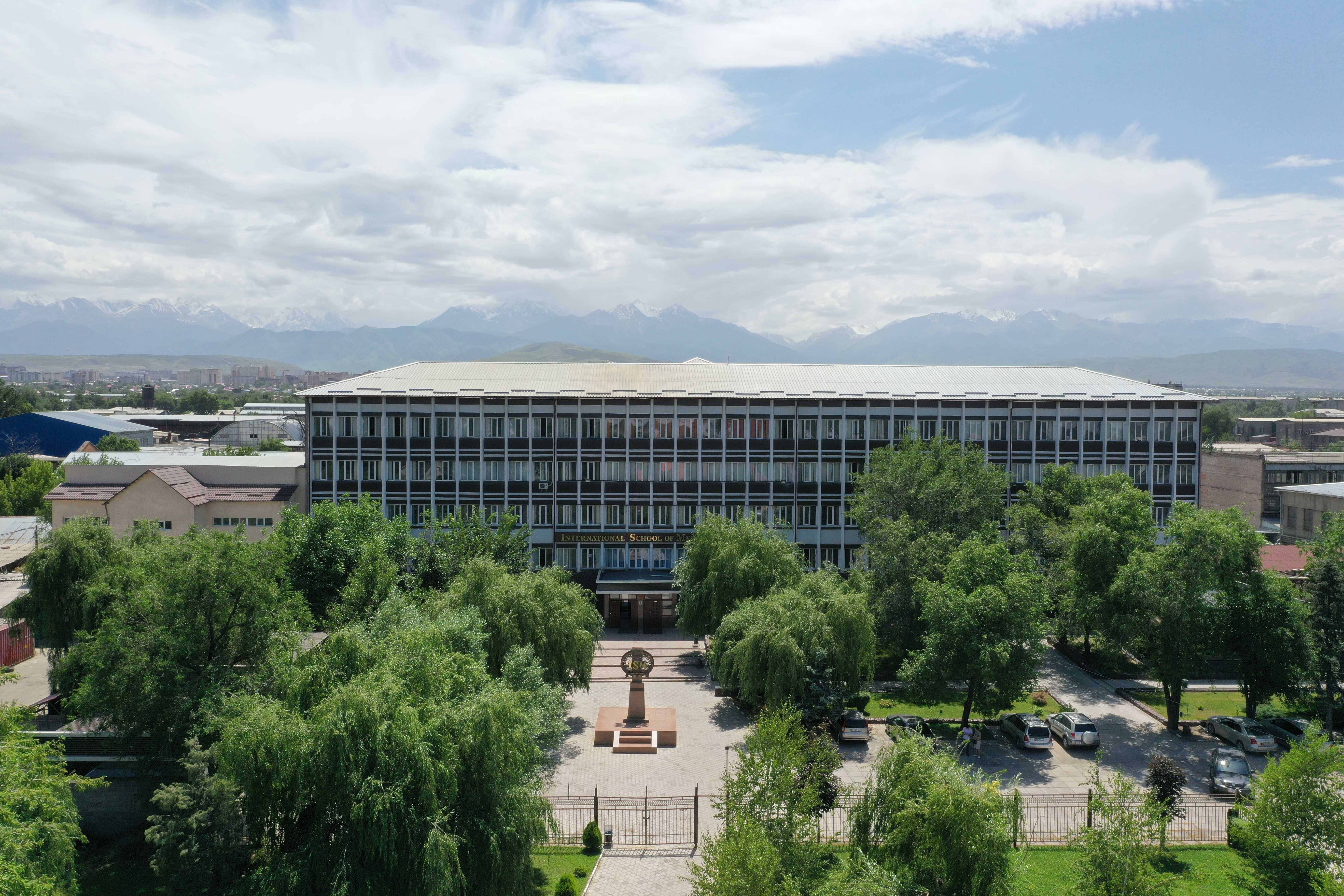
Overview
Key Facts
IHSM was established in 2003 in Bishkek, Kyrgyz Republic.
Offers an English?medium MBBS / “General Medicine” program for international students, especially those with 12 years of prior education.
Recognised / listed by several international bodies: e.g., the World Health Organization (WHO), Foundation for Advancement of International Medical Education and Research (FAIMER), and the World Federation for Medical Education (WFME).
Has multiple campuses: central campus in Bishkek, a morphological (teaching) center, and an “Issyk?Kul” campus in the Cholpon?Ata / region.
Clinical training and affiliated hospitals: IHSM uses a network of 20+ clinical settings including its own “VEDANTA” medical clinic network for practical training.
Why it might be a good choice
English language instruction: This is especially helpful for international students who want to study medicine but may not be fluent in the local language.
International student body: Many students from India, Pakistan, Bangladesh, Nepal, Turkey and other countries attend.
Affordability: Compared to medical schools in some other countries, the cost (tuition + living) tends to be more moderate.
Clinical exposure: The presence of affiliated clinics/hospitals for practical training improves readiness for clinical work.
Considerations / things to check
Recognition in your home country: Before enrolling, confirm whether the degree will be recognised back home (India, for example) by your national medical/licensing board. Although IHSM is listed by many international bodies, different countries have different licensing requirements.
Language of clinical practice: Even if coursework is in English, clinical rotations may involve local language (e.g., Russian or Kyrgyz). This may require adapting.
Living costs & environment: Though affordable in many respects, ensure you factor in housing, travel, adaptation to a different culture/climate (Kyrgyzstan can have cold winters) and support systems for foreign students.
Alumni & outcomes: Check recent graduate outcomes: how many pass licensing exams (for India: FMGE/NExT), how many get placements/residency in preferred countries. IHSM reports statistics but verifying independently is good.
Curriculum length and structure: IHSM lists the “General Medicine” program as 5 years for those with a certain prior education level.
Entrance requirements: For Indian students, things like NEET qualification may be required for eligibility to practise later in India.
Quick Snapshot for Indian Students
Eligibility: Typically 12th class (Science stream: Physics, Chemistry, Biology, English) is required.
Medium: English.
Location: Bishkek, Kyrgyzstan (central campus) + other sites.
Accreditation: Internationally recognised (WHO, WFME, etc) but must verify Indian recognition.
Cost: More affordable than many private medical colleges in India; but check exact number for the year you apply.
Living experience: Diverse international student body; cultural adaptation needed.
IHSM was established in 2003 in Bishkek, Kyrgyz Republic.
Offers an English?medium MBBS / “General Medicine” program for international students, especially those with 12 years of prior education.
Recognised / listed by several international bodies: e.g., the World Health Organization (WHO), Foundation for Advancement of International Medical Education and Research (FAIMER), and the World Federation for Medical Education (WFME).
Has multiple campuses: central campus in Bishkek, a morphological (teaching) center, and an “Issyk?Kul” campus in the Cholpon?Ata / region.
Clinical training and affiliated hospitals: IHSM uses a network of 20+ clinical settings including its own “VEDANTA” medical clinic network for practical training.
Why it might be a good choice
English language instruction: This is especially helpful for international students who want to study medicine but may not be fluent in the local language.
International student body: Many students from India, Pakistan, Bangladesh, Nepal, Turkey and other countries attend.
Affordability: Compared to medical schools in some other countries, the cost (tuition + living) tends to be more moderate.
Clinical exposure: The presence of affiliated clinics/hospitals for practical training improves readiness for clinical work.
Considerations / things to check
Recognition in your home country: Before enrolling, confirm whether the degree will be recognised back home (India, for example) by your national medical/licensing board. Although IHSM is listed by many international bodies, different countries have different licensing requirements.
Language of clinical practice: Even if coursework is in English, clinical rotations may involve local language (e.g., Russian or Kyrgyz). This may require adapting.
Living costs & environment: Though affordable in many respects, ensure you factor in housing, travel, adaptation to a different culture/climate (Kyrgyzstan can have cold winters) and support systems for foreign students.
Alumni & outcomes: Check recent graduate outcomes: how many pass licensing exams (for India: FMGE/NExT), how many get placements/residency in preferred countries. IHSM reports statistics but verifying independently is good.
Curriculum length and structure: IHSM lists the “General Medicine” program as 5 years for those with a certain prior education level.
Entrance requirements: For Indian students, things like NEET qualification may be required for eligibility to practise later in India.
Quick Snapshot for Indian Students
Eligibility: Typically 12th class (Science stream: Physics, Chemistry, Biology, English) is required.
Medium: English.
Location: Bishkek, Kyrgyzstan (central campus) + other sites.
Accreditation: Internationally recognised (WHO, WFME, etc) but must verify Indian recognition.
Cost: More affordable than many private medical colleges in India; but check exact number for the year you apply.
Living experience: Diverse international student body; cultural adaptation needed.
University
Bishkek
Approved By
NMC | WHO | ECFMG
Streams
Medical
Courses
13+ courses available
Fees
Established Year
2003
Website